
Description
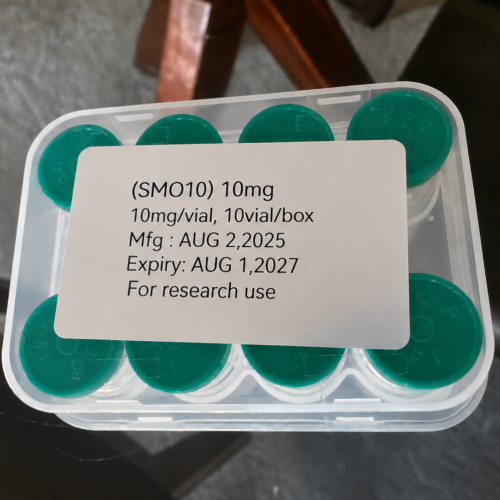
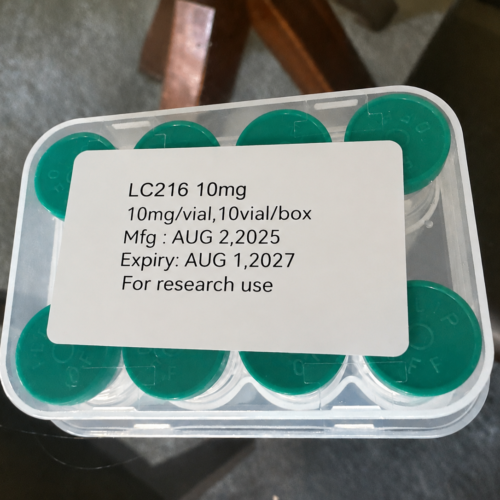
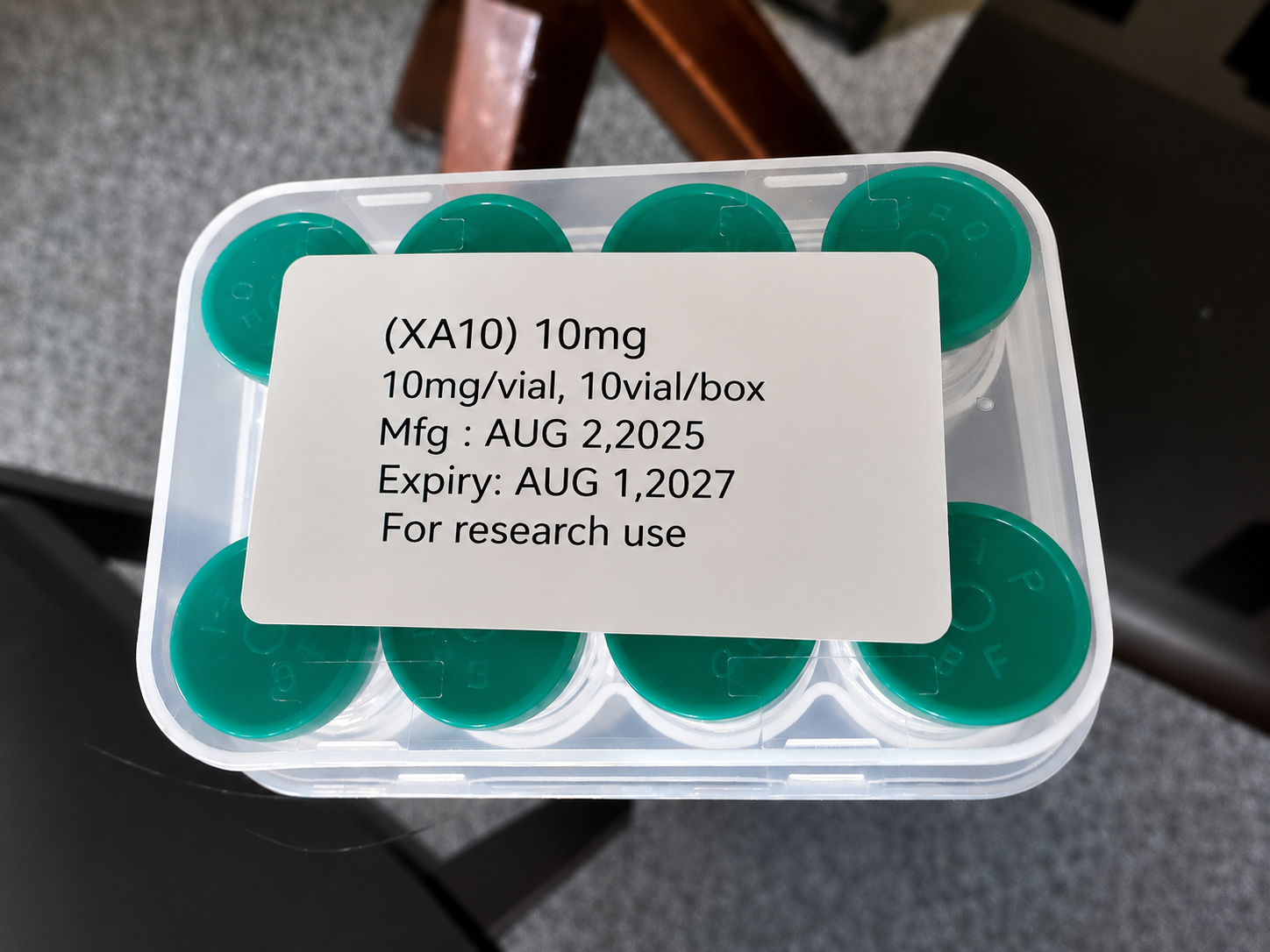
Semax (XA10) 10mg – Research Peptide
Semax (XA10) 10mg is a high-purity research peptide widely studied in the fields of neuroscience, neuropeptide signaling, and cognitive function research. Originally developed as a synthetic analog of a naturally occurring peptide fragment, Semax has become an important compound for scientists investigating brain function, neurobiology, and peptide-based research.
Supplied as a 10mg lyophilized powder, Semax (XA10) 10mg is manufactured to research-grade standards and is intended exclusively for laboratory and scientific research purposes.
What Is Semax?
Semax is a synthetic heptapeptide derived from a fragment of adrenocorticotropic hormone (ACTH). Unlike the full ACTH hormone, Semax has been investigated primarily for its effects on neuropeptide activity and cellular signaling within the nervous system.
Researchers continue to study Semax in experimental models to better understand its interactions with neurological pathways and molecular mechanisms. While it has been the subject of scientific research, Semax is not approved for human therapeutic use in many jurisdictions, and this product is supplied solely for research applications.
Semax (XA10) 10mg Specifications
| Specification | Details |
|---|---|
| Product Name | Semax (XA10) 10mg |
| Peptide Name | Semax |
| Quantity | 10mg |
| Grade | Research Grade |
| Form | Lyophilized Powder |
| Purity | High Purity (Research Grade) |
| Storage | Refrigerate or freeze according to laboratory guidelines |
| Application | Laboratory and scientific research only |
Key Features
- High-purity research-grade Semax
- 10mg lyophilized peptide
- Manufactured under strict quality control standards
- Suitable for neuroscience and neurobiology research
- Intended exclusively for laboratory investigations
Research Areas
Neuroscience Research
Semax is widely investigated in neuroscience to explore peptide-mediated signaling pathways and molecular processes involved in nervous system function.
Cognitive Function Research
Researchers study Semax in experimental models to better understand biological mechanisms associated with learning, memory, and cognitive processes.
Neuroprotective Research
Scientific investigations have explored the potential role of Semax in cellular models designed to examine neuronal resilience and neurobiological responses under controlled laboratory conditions.
Neuropeptide Signaling
Semax is frequently used in research examining peptide interactions with receptors, neurotransmitter systems, and intracellular signaling pathways.
Brain-Derived Neurotrophic Factor (BDNF) Research
Some laboratory studies have investigated how Semax may influence molecular pathways associated with neurotrophic factors, including brain-derived neurotrophic factor (BDNF), although ongoing research is needed to better understand these mechanisms.
Why Researchers Choose Semax (XA10) 10mg
Researchers choose Semax 10mg because it offers:
- Research-grade quality
- High purity for reliable laboratory studies
- Suitable for in vitro and preclinical research
- Stable lyophilized formulation
- Consistent manufacturing and quality control
Storage & Handling
To maintain peptide quality:
- Store in a cool, dry location before reconstitution.
- Refrigerate or freeze according to laboratory recommendations.
- Avoid repeated freeze-thaw cycles.
- Handle using sterile laboratory procedures.
- Protect from moisture, excessive heat, and direct sunlight.
Frequently Asked Questions
What is Semax used for in research?
Semax is used in scientific and laboratory research involving neuroscience, neuropeptide signaling, cognitive biology, and molecular neurobiology. It is not approved for human or veterinary use.
Is Semax a research peptide?
Yes. Semax (XA10) 10mg is supplied exclusively as a research-grade peptide for laboratory investigations.
What research areas involve Semax?
Research commonly focuses on neuroscience, cognitive function, neurobiology, peptide signaling, neurotrophic factors, and experimental brain research.
How should Semax be stored?
Store the lyophilized peptide refrigerated or frozen according to laboratory protocols. Avoid repeated freeze-thaw cycles to preserve product stability.