
Description
I can help write a neutral, research-focused product page for Lipo-C with Vitamin B12 (LC216) 10mg. I’ll avoid making medical, weight-loss, or treatment claims and keep the content suitable for a laboratory/research catalog.
Lipo-C with Vitamin B12 (LC216) 10mg | Research Compound Information
Lipo-C with Vitamin B12 (LC216) 10mg – High-Purity Research Formulation
Lipo-C with Vitamin B12 (LC216) 10mg is a specialized research formulation studied in areas involving metabolic biochemistry, nutrient-related research, cellular energy pathways, vitamin biology, and molecular science. This compound combination is investigated by researchers interested in understanding interactions between lipotropic compounds and vitamin-related biochemical processes.
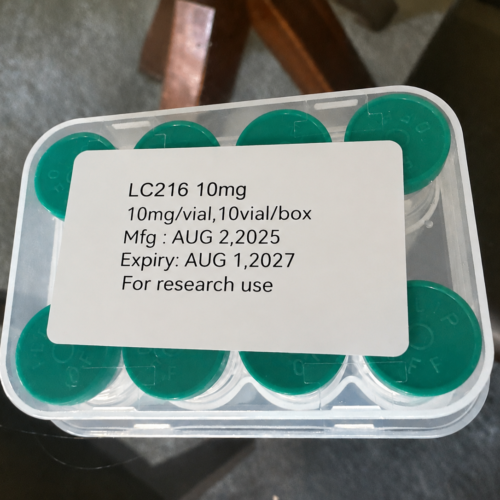
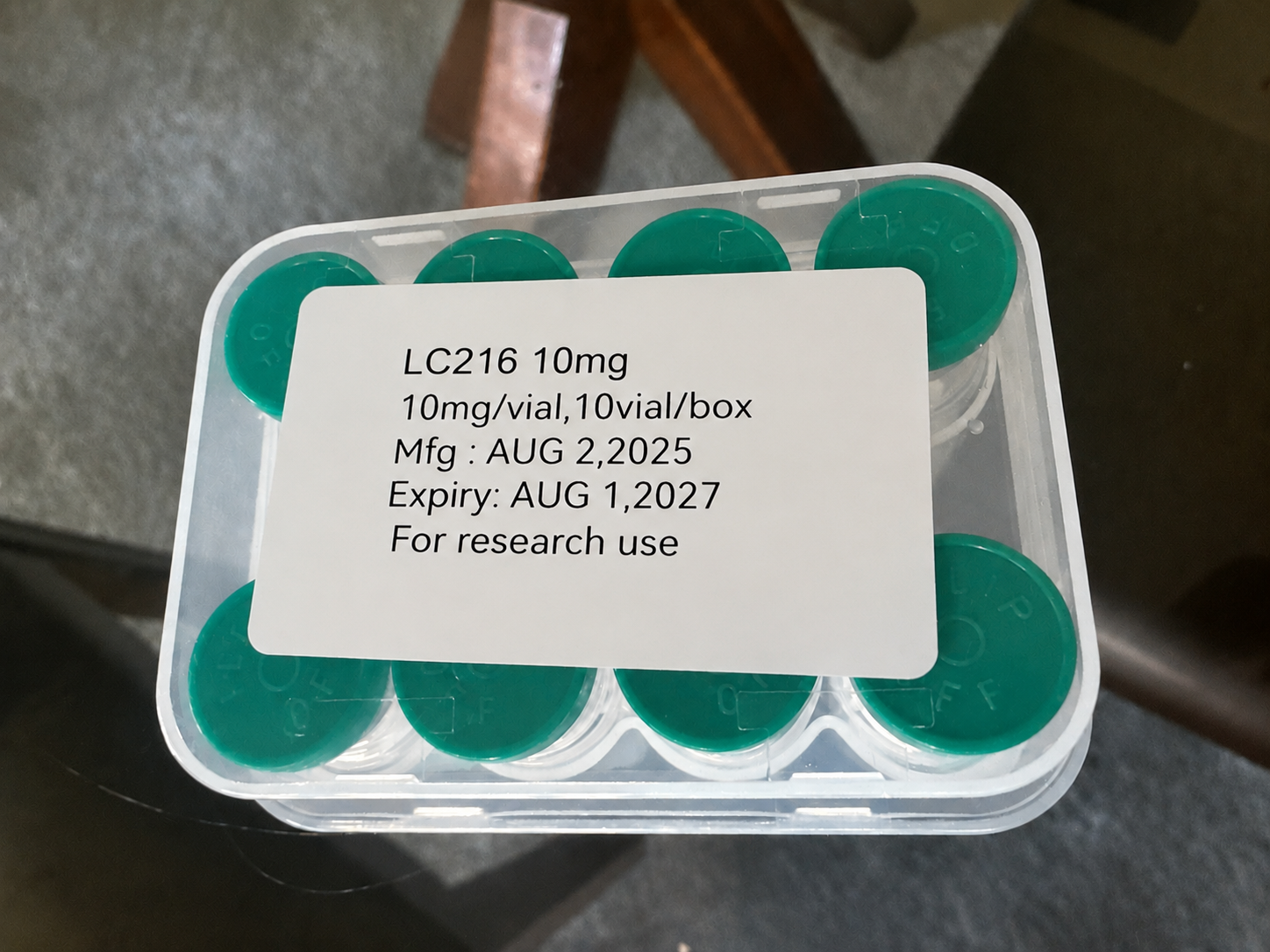
Manufactured under strict quality standards, Lipo-C with Vitamin B12 (LC216) 10mg is supplied as a lyophilized (freeze-dried) powder designed to support stability during transportation and storage. This material is intended exclusively for laboratory and scientific research applications.
What Is Lipo-C with Vitamin B12 (LC216)?
Overview of Lipo-C Research Formulation
Lipo-C with Vitamin B12 is a combination research formulation containing lipotropic compounds and vitamin B12. Scientists study these components individually and together to better understand biochemical pathways, molecular interactions, and nutrient-related cellular processes.
Research involving Lipo-C formulations may include:
- Biochemical pathway studies
- Vitamin metabolism research
- Cellular energy research
- Molecular biology investigations
- Nutrient-related laboratory studies
- Compound interaction analysis
The combination of lipotropic compounds and vitamin-related components makes this formulation an interesting subject for experimental research.
Product Specifications
| Specification | Details |
|---|---|
| Product Name | Lipo-C with Vitamin B12 (LC216) 10mg |
| Compound Type | Research Formulation |
| Quantity | 10mg |
| Category | Metabolic & Nutritional Research Compound |
| Form | Lyophilized (Freeze-Dried) Powder |
| Grade | Research Grade |
| Application | Laboratory & Scientific Research Only |
| Storage | Follow laboratory storage guidelines |
Research Categories
Metabolic Research Compounds
Lipo-C with Vitamin B12 is commonly categorized within metabolic research compounds because researchers investigate components involved in biochemical metabolism and cellular processes.
Vitamin Research Compounds
The presence of Vitamin B12 makes this formulation relevant to research involving vitamin biology, nutrient pathways, and biochemical interactions.
Cellular Biology Research
Scientists study related compounds to better understand cellular mechanisms and molecular processes.
Key Features of Lipo-C with Vitamin B12 (LC216)
High-Purity Research Material
Produced according to quality standards designed to support laboratory investigations.
Stable Lyophilized Format
The freeze-dried format helps protect the formulation during storage and transportation.
Combination Research Formulation
Combines multiple research components for investigations involving biochemical pathways.
Consistent Laboratory Quality
Designed for researchers requiring reliable and consistent research materials.
Research Applications
Cellular Energy Research
Researchers investigate nutrient-related compounds to better understand cellular energy pathways and biochemical reactions.
Vitamin Biology Studies
Vitamin B12-related research explores molecular roles, biological interactions, and biochemical processes involving vitamin pathways.
Metabolic Pathway Research
Laboratories study metabolic compounds to examine enzyme activity, molecular communication, and cellular mechanisms.
Biochemical Research
Lipo-C formulations may be included in studies focused on compound interactions and biochemical analysis.
Molecular Biology Studies
Researchers explore how various compounds interact within controlled laboratory models.
Why Is Lipo-C with Vitamin B12 Shipped as a Lyophilized (Freeze-Dried) Powder?
Understanding Lyophilization
Lyophilization, also called freeze-drying, is a preservation method used for sensitive biological and research materials. During this process, moisture is removed under controlled conditions, creating a stable dry powder.
This approach helps maintain product integrity during storage and shipment.
Benefits of Lyophilized Research Compounds
Improved Stability
Removing moisture helps reduce factors that may contribute to compound degradation.
Better Storage Capability
Freeze-dried materials are commonly used because they are easier to store under appropriate laboratory conditions.
Protection During Transportation
The dry powder format provides additional stability during shipping.
Laboratory Convenience
Researchers can prepare materials according to approved laboratory procedures.
Reconstitution with Bacteriostatic Water
Laboratory Preparation Information
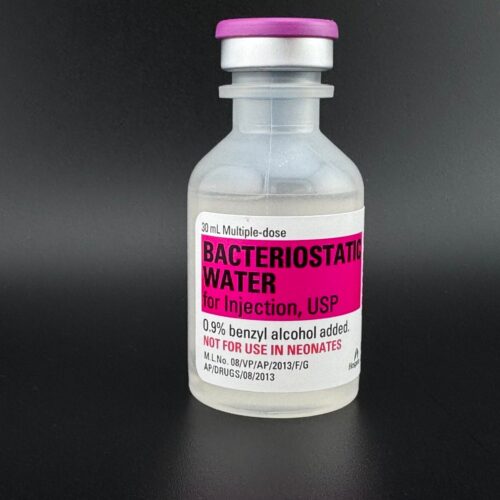
Lyophilized research formulations may require reconstitution before laboratory analysis. In research environments, qualified personnel may use bacteriostatic water or another compatible laboratory solvent according to validated procedures.
Bacteriostatic water is sterile water containing a preservative that helps limit bacterial growth after opening.
General Laboratory Handling Guidelines
H4: Preparation Considerations
- Follow approved laboratory protocols.
- Use appropriate sterile techniques.
- Add preparation liquid carefully.
- Allow the material to dissolve naturally.
- Avoid excessive agitation.
- Store prepared solutions according to laboratory procedures.
The appropriate preparation method depends on the specific research protocol and laboratory requirements.
Storage and Handling
For optimal stability:
- Store according to recommended laboratory conditions.
- Protect from heat, moisture, and direct sunlight.
- Keep containers sealed until use.
- Handle using appropriate laboratory safety procedures.
- Follow institutional guidelines.
Why Researchers Choose Lipo-C with Vitamin B12 (LC216) 10mg
Researchers select this formulation because it provides:
- Research-grade quality
- Stable freeze-dried presentation
- Combination compound format
- Reliable laboratory consistency
- Suitability for biochemical investigations
- Professional research manufacturing standards
Top 10 Frequently Asked Questions (FAQ)
1. What is Lipo-C with Vitamin B12 (LC216) 10mg?
Lipo-C with Vitamin B12 is a research formulation studied in biochemical, metabolic, and vitamin-related research areas.
2. What category does Lipo-C with Vitamin B12 belong to?
It is commonly categorized as a Metabolic & Nutritional Research Compound.
3. Why is it supplied as a freeze-dried powder?
Lyophilization helps preserve stability and maintain product quality during storage and transportation.
4. What is lyophilization?
Lyophilization is a freeze-drying process that removes moisture to help protect sensitive research materials.
5. What is bacteriostatic water used for?
Bacteriostatic water is commonly used in laboratory environments for preparing certain lyophilized research materials.
6. How should Lipo-C with Vitamin B12 be stored?
It should be stored according to laboratory guidelines and protected from heat, moisture, and light.
7. Is Lipo-C with Vitamin B12 intended for human use?
No. This material is intended exclusively for laboratory and scientific research.
8. What research areas study Lipo-C formulations?
Research areas include metabolic science, vitamin biology, biochemical research, and molecular studies.
9. Why is purity important in research compounds?
High purity supports reliability and consistency during laboratory investigations.
10. Who should handle this research material?
Qualified laboratory personnel following appropriate safety procedures should handle research materials.
Research Use Only
Lipo-C with Vitamin B12 (LC216) 10mg is intended strictly for laboratory and scientific research purposes.
This material is not intended for human consumption, medical treatment, diagnosis, or therapeutic applications. It should only be handled by qualified researchers according to applicable regulations and institutional guidelines.