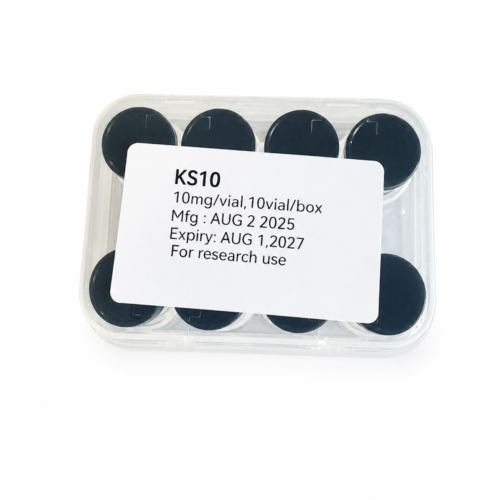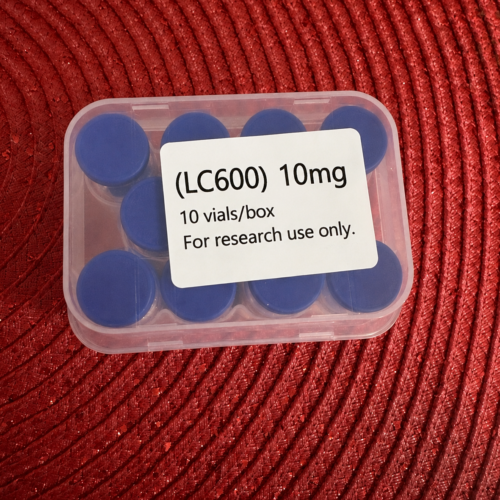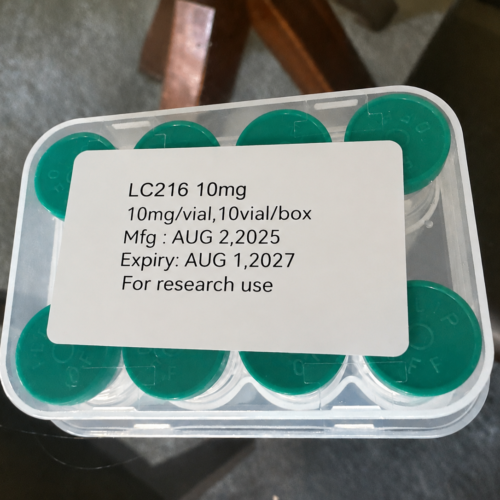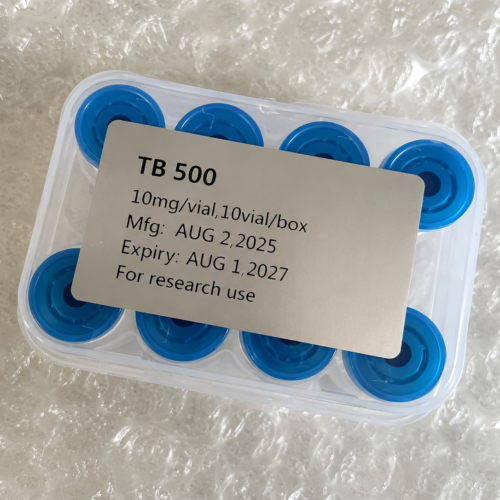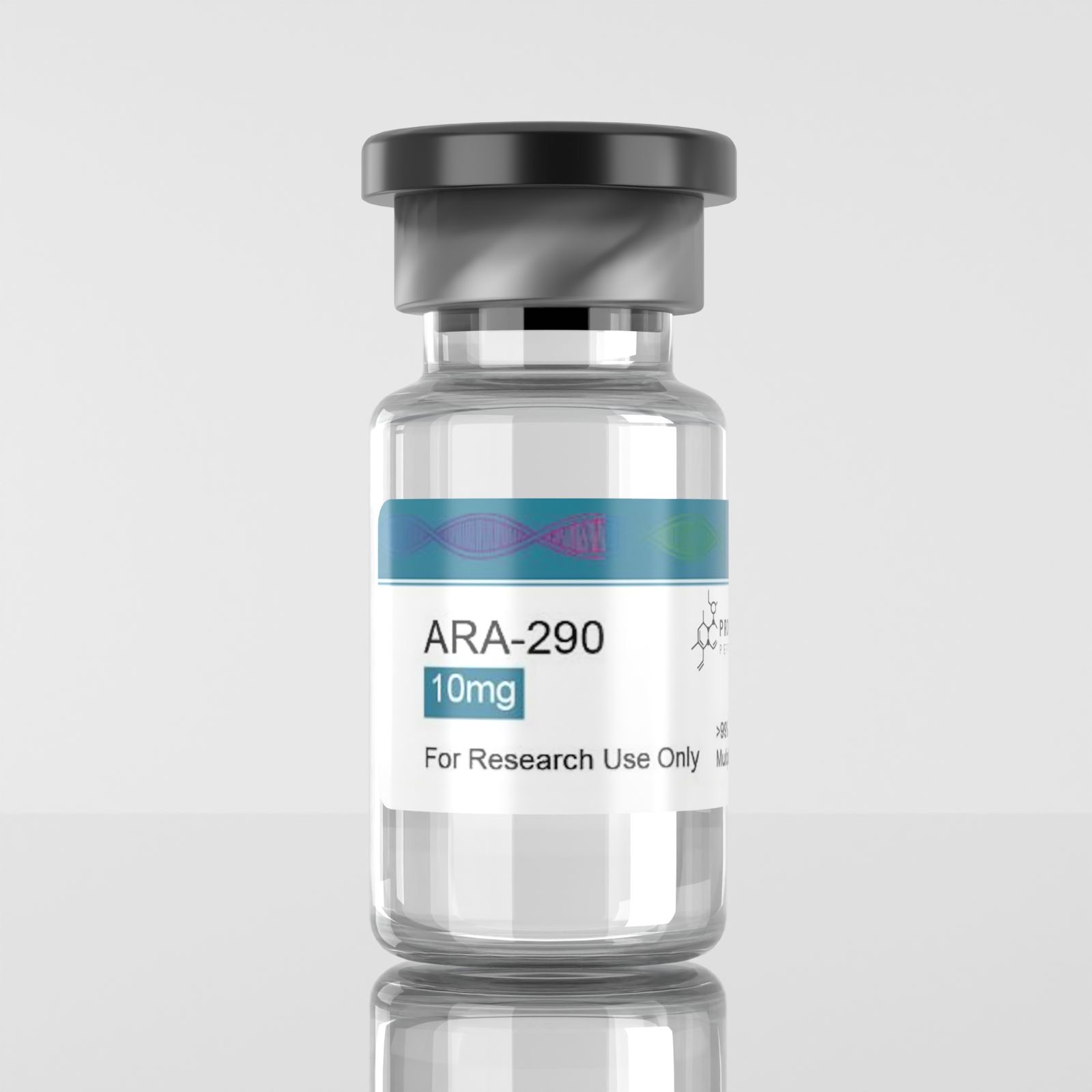

Description
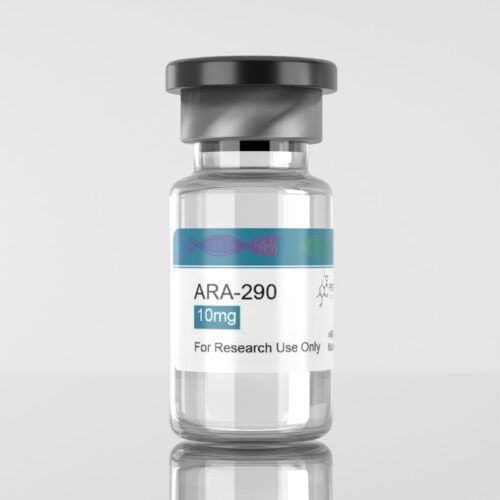
Buy ARA-290 10mg
# Buy ARA-290 10mg: Research Overview, Structure, Mechanism, and Laboratory Applications
## What Is ARA-290?
Buy ARA-290 10mg is a synthetic peptide derived from erythropoietin (EPO). It was designed by researchers to selectively interact with the innate repair receptor (IRR), a receptor complex believed to play a role in tissue protection and inflammatory signaling. Unlike full-length erythropoietin, ARA-290 was engineered to avoid stimulating red blood cell production while retaining certain biological activities of interest in laboratory research.
Because of these characteristics, ARA-290 has become a subject of investigation in preclinical and clinical research across multiple scientific fields. Researchers continue to study its pharmacological profile, receptor interactions, signaling pathways, and potential applications in experimental models.
**Important:** Buy ARA-290 10mg is intended for scientific and laboratory research only. Its safety and effectiveness for general medical use have not been established.
—
## Chemical Characteristics Buy ARA-290 10mg
ARA-290 is a small synthetic peptide consisting of a short amino acid sequence inspired by the three-dimensional structure of erythropoietin. The peptide was developed to selectively activate tissue-protective signaling pathways without triggering erythropoiesis.
Researchers value shorter peptides because they are often easier to synthesize, characterize, and evaluate during laboratory investigations.
General characteristics include:
* Synthetic peptide
* EPO-derived sequence
* High purity research material
* Laboratory-grade compound
* Used in experimental research settings
Buy ARA-290 10mg
—
## Mechanism of Action
Current research suggests that ARA-290 interacts primarily with the innate repair receptor (IRR), which differs from the classical erythropoietin receptor responsible for red blood cell production.
Experimental studies have investigated whether activation of this receptor influences:
* Cellular stress responses
* Inflammatory signaling
* Tissue repair mechanisms
* Immune modulation pathways
* Cellular communication
Scientists continue to evaluate these mechanisms in controlled laboratory settings to better understand the peptide’s biological effects.
—
## Areas of Scientific Investigation
ARA-290 has been explored in numerous areas of biomedical research. These investigations are ongoing and should not be interpreted as evidence of established clinical benefit.
Research topics include:
### Neurobiology Research
Scientists have examined ARA-290 in experimental models involving nerve tissues and neurological signaling. Studies seek to understand how the peptide interacts with cellular pathways involved in inflammation and tissue responses.
### Inflammation Research
Inflammatory pathways remain one of the primary focuses of ARA-290 investigations. Researchers study how receptor activation may influence inflammatory mediators under controlled laboratory conditions.
### Tissue Repair Research
Another area of interest involves cellular repair mechanisms. Experimental work explores whether receptor activation contributes to normal tissue recovery processes following laboratory-induced injury.
### Pain Research
Researchers have also evaluated ARA-290 in experimental models related to neuropathic pain mechanisms. These investigations aim to better understand biological signaling rather than establish therapeutic outcomes.
### Immunology
Because inflammation and immune regulation are closely connected, scientists continue investigating how ARA-290 may influence immune cell communication in research environments.
—
## Laboratory Applications
Within research laboratories, ARA-290 may be incorporated into studies involving:
* Cell culture experiments
* Molecular biology
* Receptor signaling
* Pharmacology
* Peptide characterization
* Protein interaction studies
* Biomarker investigations
* Translational research
Each study follows specific experimental protocols designed by qualified researchers.
—
## Research Quality Considerations
Researchers generally evaluate peptide quality using several analytical techniques before incorporating materials into laboratory experiments.
Common quality assessments include:
### High Purity
High-purity peptides help reduce unwanted variables that could interfere with experimental outcomes.
### Identity Verification
Analytical methods are used to confirm the molecular identity of the synthesized peptide.
### Mass Spectrometry
Mass spectrometry helps verify molecular weight and peptide composition.
### Chromatographic Analysis
High-performance liquid chromatography (HPLC) is commonly used to determine peptide purity.
### Proper Packaging
Research peptides are typically packaged in sealed laboratory vials designed to maintain stability during storage and transportation.
—
## Storage Recommendations
Storage conditions may vary depending on manufacturer guidance and research protocols.
General laboratory practices include:
* Store according to supplier recommendations.
* Protect from excessive heat and moisture.
* Avoid repeated freeze-thaw cycles if reconstituted.
* Use sterile laboratory techniques during handling.
* Label all materials appropriately.
Researchers should always follow institutional laboratory procedures.
—
## Ongoing Scientific Research
ARA-290 continues to be investigated in academic institutions and research organizations worldwide. Scientists remain interested in understanding:
* Receptor selectivity
* Signal transduction pathways
* Cellular responses
* Pharmacokinetics
* Pharmacodynamics
* Molecular interactions
* Experimental disease models
* Biomarker responses
Further research is needed to clarify its biological properties and potential future applications.
—
## Frequently Asked Questions
### What is ARA-290?
ARA-290 is a synthetic peptide derived from erythropoietin that is primarily used in scientific research.
### Is ARA-290 a protein?
No. It is a short synthetic peptide rather than a full-length protein.
### What is ARA-290 used for?
It is used in laboratory and experimental research investigating receptor signaling, inflammation, tissue biology, and related scientific questions.
### Is ARA-290 approved for general medical use?
Its regulatory status depends on the jurisdiction. Researchers should consult applicable regulations before acquiring or using laboratory materials.
### Why is purity important?
Higher purity helps improve consistency and reproducibility in laboratory experiments by minimizing impurities.
### How is peptide identity verified?
Manufacturers commonly use analytical techniques such as HPLC and mass spectrometry to characterize research peptides.
### How should ARA-290 be stored?
Researchers should follow the storage instructions provided by the manufacturer and standard laboratory practices.
—
## Conclusion
ARA-290 is a synthetic research peptide that continues to attract scientific interest because of its selective interaction with the innate repair receptor and its unique biological profile. Ongoing investigations explore its molecular mechanisms, receptor signaling, inflammatory pathways, and tissue biology in controlled laboratory settings.
As research advances, additional studies may improve scientific understanding of ARA-290’s biological properties. Any use of this peptide should be limited to legitimate scientific research conducted by qualified professionals in accordance with applicable laws, regulations, and institutional guidelines.