
Description
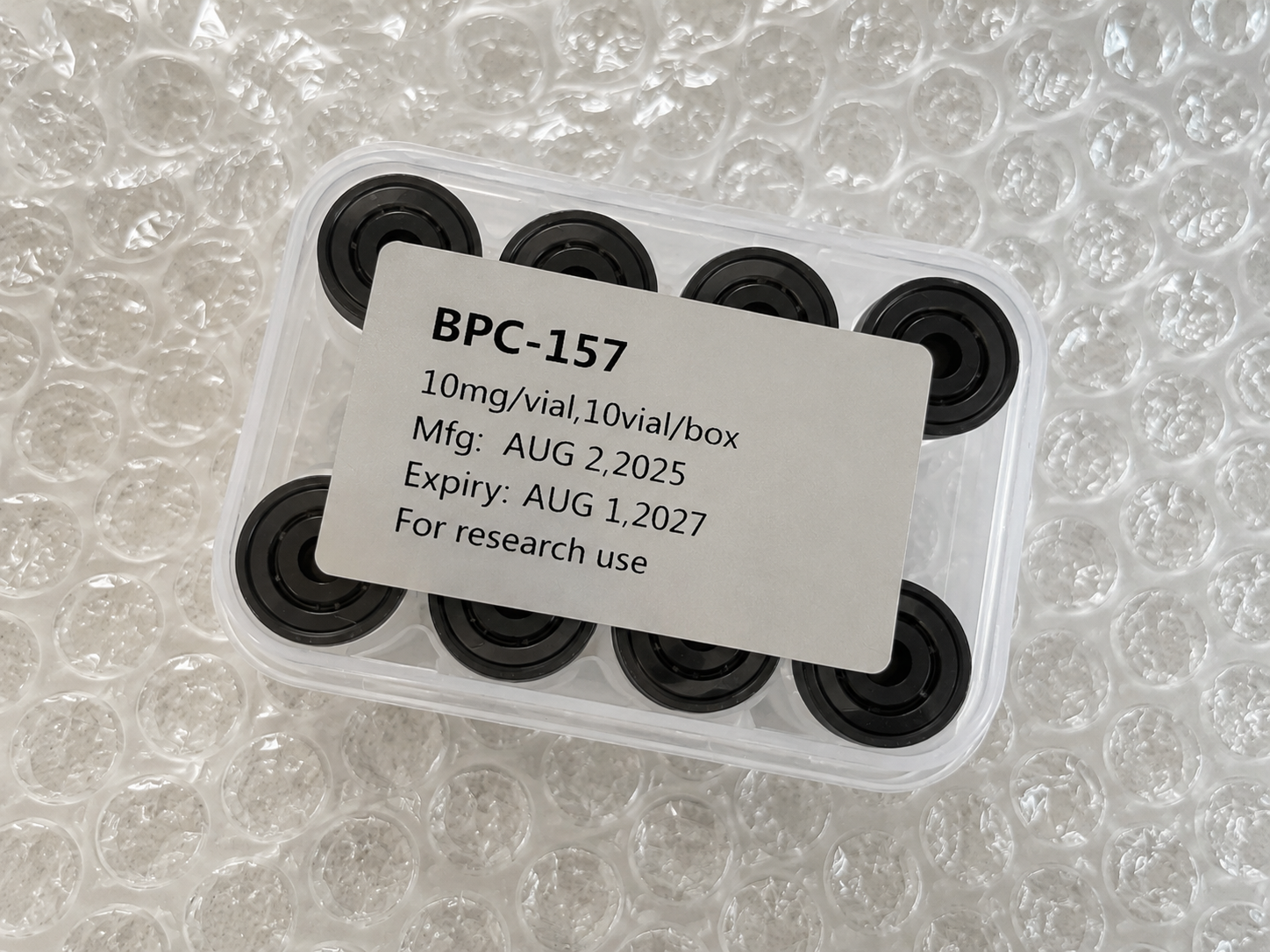
BPC-157 (BC10) 10mg | High-Purity Research Peptide
Buy BPC-157 (BC10) 10mg – Premium Research Peptide for Laboratory Studies
BPC-157 (BC10) 10mg is a high-purity research peptide widely studied in the fields of peptide biology, molecular biology, cellular signaling, biochemistry, and experimental regenerative research. Known as a pentadecapeptide derived from a protective gastric protein sequence, BPC-157 has become a significant subject of scientific investigation due to its unique peptide structure and biological signaling properties.
Manufactured under strict quality standards, BPC-157 (BC10) 10mg is supplied as a lyophilized (freeze-dried) powder designed for laboratory research applications. This product is intended exclusively for scientific and research purposes.
H2: What Is BPC-157?
H3: Overview of BPC-157
BPC-157 (Body Protection Compound-157) is a synthetic peptide consisting of 15 amino acids. It is widely investigated by researchers studying peptide signaling, cellular communication, molecular pathways, and biological mechanisms.
Laboratory researchers study BPC-157 to explore:
- Peptide structure and function
- Cellular signaling pathways
- Molecular interactions
- Protein communication
- Experimental biology
- Tissue-related research models
- Biochemical mechanisms
Due to its unique amino acid sequence, BPC-157 remains one of the most researched experimental peptides in modern peptide science.
H2: BPC-157 (BC10) 10mg Specifications
| Specification | Details |
|---|---|
| Product Name | BPC-157 (BC10) 10mg |
| Peptide Name | BPC-157 |
| Quantity | 10mg |
| Category | Regenerative Research Peptide |
| Form | Lyophilized (Freeze-Dried) Powder |
| Purity | High-Purity Research Grade |
| Application | Laboratory & Scientific Research Only |
| Storage | Store refrigerated or frozen according to laboratory guidelines |
H2: Key Features of BPC-157 (BC10) 10mg
H3: High-Purity Research Peptide
BPC-157 is manufactured with strict quality control standards to provide reliable research material.
H3: Lyophilized Powder Form
The freeze-dried format helps maintain peptide stability during transportation and storage.
H3: Consistent Quality
Each batch is produced to provide dependable quality for laboratory investigations.
H3: Advanced Research Applications
Suitable for peptide biology, molecular research, and cellular signaling studies.
H2: Research Applications of BPC-157
H3: Peptide Biology Research
Researchers investigate BPC-157 to understand peptide structure, molecular interactions, and biological signaling processes.
H3: Cellular Signaling Studies
BPC-157 is studied in laboratory models examining communication pathways between cells and molecular systems.
H3: Molecular Biology Research
Scientists explore BPC-157 in research involving protein interactions, cellular mechanisms, and biochemical pathways.
H3: Biochemistry Research
BPC-157 is used as a research tool for studying peptide chemistry and biological processes.
H3: Experimental Regenerative Research
Laboratory studies examine BPC-157 as part of broader investigations into cellular mechanisms and biological responses.
H2: Why Is BPC-157 Shipped as a Lyophilized (Freeze-Dried) Powder?
H3: Understanding Lyophilization
Lyophilization, also known as freeze-drying, is a preservation technique used to remove moisture from sensitive biological compounds. This process converts the peptide into a stable dry powder that helps protect its molecular structure during storage and shipping.
H4: Benefits of Lyophilized Peptides
- Enhanced stability during transportation
- Protection from moisture-related degradation
- Extended storage capability
- Preservation of peptide integrity
- Convenient laboratory handling
Because peptides are delicate biological molecules, freeze-drying is commonly used to maintain product quality.
H2: Reconstitution with Bacteriostatic Water
H3: Laboratory Preparation of BPC-157
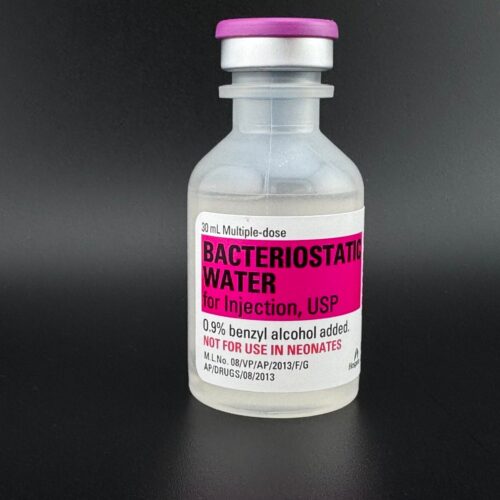
Before laboratory research applications, BPC-157 (BC10) 10mg is typically reconstituted with bacteriostatic water.
Bacteriostatic water is sterile water containing a small amount of benzyl alcohol that helps limit bacterial growth after opening. In laboratory environments, researchers use sterile techniques to dissolve the lyophilized peptide before experimental procedures.
H4: General Reconstitution Guidelines
- Add bacteriostatic water slowly along the inside wall of the vial.
- Allow the peptide powder to dissolve naturally.
- Gently swirl if required.
- Avoid aggressive shaking to protect peptide structure.
- Store the prepared solution according to laboratory protocols.
- Determine concentration requirements according to the specific research method.
The amount of bacteriostatic water used depends on the concentration required for the laboratory experiment and should be determined by qualified research personnel.
H2: Why Choose BPC-157 (BC10) 10mg?
Researchers select BPC-157 (BC10) 10mg because it offers:
- High-purity research-grade quality
- Reliable peptide formulation
- Stable lyophilized presentation
- Consistent laboratory performance
- Suitable for advanced peptide research
- Professional research manufacturing standards
H2: Storage & Handling
For optimal peptide stability:
- Store unopened vials according to laboratory storage recommendations.
- Protect from heat, moisture, and direct sunlight.
- Keep sealed until research preparation.
- Handle using appropriate sterile laboratory procedures.
- Avoid repeated freeze-thaw cycles after reconstitution.
H2: Top 10 Frequently Asked Questions (FAQ)
H3: 1. What is BPC-157 (BC10) 10mg?
BPC-157 is a synthetic research peptide studied in peptide biology, molecular biology, and cellular signaling research.
H3: 2. What is BPC-157 used for in research?
Researchers investigate BPC-157 in studies involving peptide mechanisms, cellular communication, and molecular pathways.
H3: 3. Is BPC-157 supplied as a powder?
Yes. BPC-157 (BC10) 10mg is supplied as a lyophilized (freeze-dried) powder for improved stability.
H3: 4. Why is BPC-157 freeze-dried?
Lyophilization helps preserve peptide integrity and improves storage stability.
H3: 5. What is bacteriostatic water used for?
Bacteriostatic water is used in laboratory settings to reconstitute freeze-dried research peptides.
H3: 6. How should BPC-157 be stored?
Store according to laboratory guidelines, protecting the product from moisture, heat, and light.
H3: 7. Is BPC-157 a research peptide?
Yes. It is supplied as a research-grade peptide intended for scientific investigations.
H3: 8. What research fields study BPC-157?
Research areas include peptide biology, molecular signaling, biochemistry, and experimental biology.
H3: 9. Is BPC-157 intended for human consumption?
No. This product is intended exclusively for laboratory research.
H3: 10. Why choose high-purity BPC-157?
High-purity research peptides support consistency and reliability in scientific experiments.
H2: BPC-157 (BC10) 10mg Dosage Calculator
H3: Research Use Disclaimer
Because BPC-157 (BC10) 10mg is supplied strictly as a laboratory research peptide and is not intended for human use, this page does not provide human dosage calculators, dosing schedules, or administration instructions.
Researchers should determine experimental concentrations, dilution requirements, and laboratory protocols based on their approved study design, institutional guidelines, and applicable regulations.
H2: Research Use Only
BPC-157 (BC10) 10mg is intended strictly for laboratory research purposes.
This product is not intended for human consumption, medical treatment, diagnosis, or therapeutic use. It should only be handled by qualified professionals in research environments and used according to applicable research guidelines.