
Description
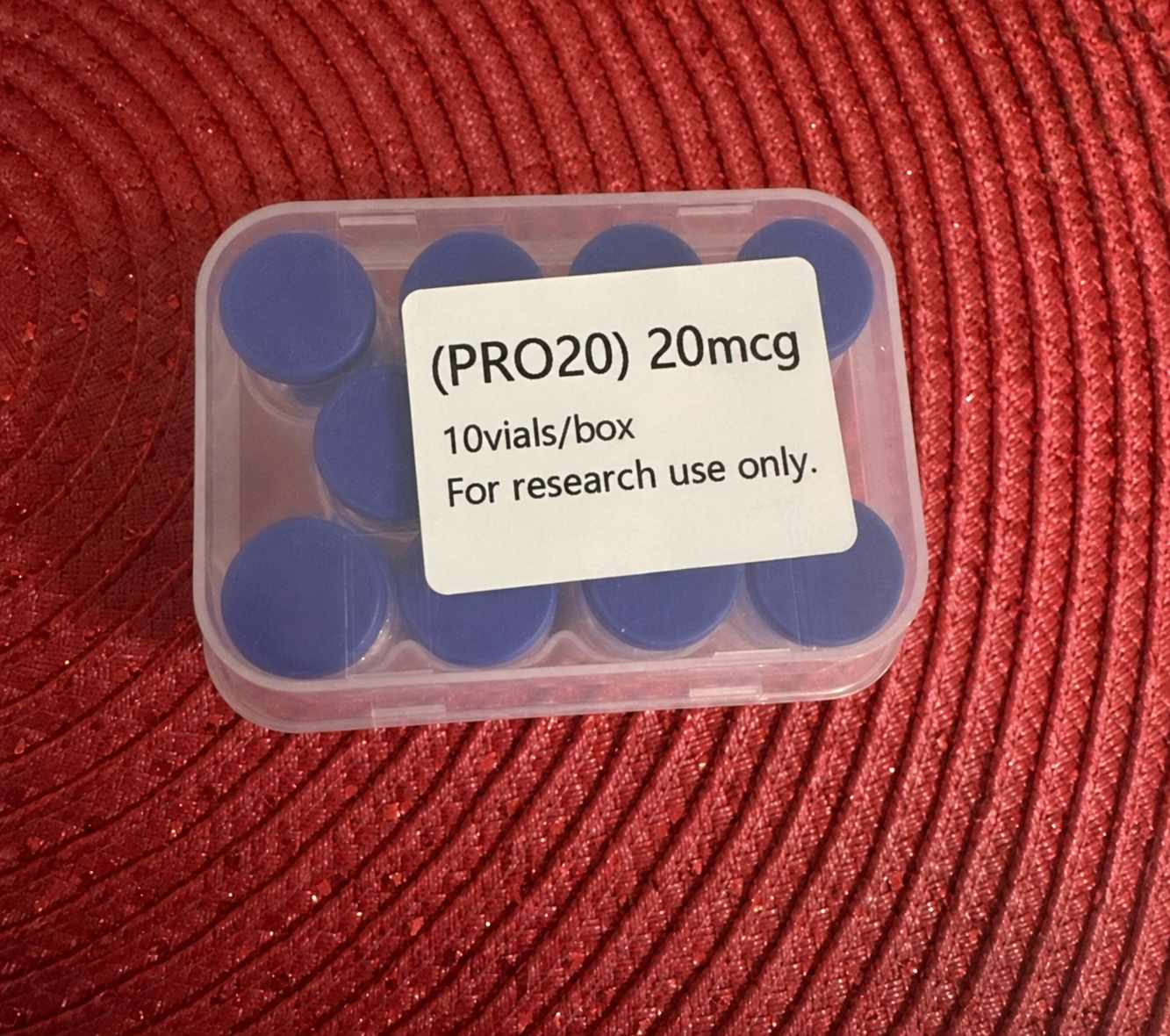
Alprostadil (PRO20) 20mg | Research-Grade Prostaglandin Compound
Alprostadil (PRO20) 20mg is a well-studied prostaglandin research compound used in scientific investigations involving vascular biology, cellular signaling, smooth muscle research, and prostaglandin pathways. As a synthetic form of prostaglandin E1 (PGE1), Alprostadil is an important compound for researchers studying lipid signaling molecules, receptor activity, and biological communication mechanisms.
Supplied in a 20mg research format, Alprostadil (PRO20) 20mg is intended for qualified laboratory research and scientific investigation only.
What Is Alprostadil (PRO20)?
Alprostadil is a synthetic analog of prostaglandin E1 (PGE1), a naturally occurring signaling molecule belonging to the prostaglandin family. Prostaglandins are involved in numerous biological processes and are widely studied for their role in cellular communication, vascular research, and receptor-mediated signaling.
Researchers investigate Alprostadil to better understand:
- Prostaglandin receptor interactions
- Cellular signaling pathways
- Vascular biology mechanisms
- Smooth muscle response studies
- Lipid-derived signaling molecules
Alprostadil (PRO20) 20mg Specifications
| Specification | Details |
|---|---|
| Product Name | Alprostadil (PRO20) 20mg |
| Compound Type | Prostaglandin E1 (PGE1) Analog |
| Quantity | 20mcg |
| Category | Prostaglandin Research Compound |
| Form | Research Material |
| Application | Laboratory & Scientific Research |
| Storage | Follow appropriate research storage guidelines |
Key Features of Alprostadil (PRO20) 20mg
- High-quality prostaglandin research compound
- Suitable for PGE1 pathway studies
- Supports receptor and cellular signaling research
- Useful for vascular biology investigations
- Designed for controlled scientific research applications
Research Applications
Prostaglandin Research
Alprostadil is widely studied as a prostaglandin E1 analog to help researchers understand prostaglandin activity and biological signaling pathways.
Vascular Biology Studies
Researchers investigate Alprostadil in experimental models focused on vascular mechanisms, blood vessel biology, and cellular communication.
Cellular Signaling Research
Alprostadil is used in laboratory studies exploring receptor interactions and intracellular signaling processes.
Smooth Muscle Research
Scientists study prostaglandin-related compounds to better understand smooth muscle biology and physiological signaling mechanisms.
Molecular Biology Research
Alprostadil contributes to research involving molecular pathways, receptor binding, and biochemical interactions.
Why Researchers Study Alprostadil (PRO20) 20mg?
Researchers choose Alprostadil research compounds because they provide:
- A well-characterized PGE1 analog for laboratory studies
- Support for prostaglandin pathway investigations
- Reliable material for controlled research environments
- Value in vascular and cellular biology research
Storage & Handling
For maintaining research material quality:
- Store according to recommended laboratory guidelines.
- Protect from heat, moisture, and direct exposure to light.
- Follow proper handling procedures.
- Use appropriate laboratory safety practices.
- Maintain controlled storage conditions.
Frequently Asked Questions
What is Alprostadil?
Alprostadil is a synthetic analog of prostaglandin E1 (PGE1) studied in research involving prostaglandin signaling, vascular biology, and cellular communication.
What is Alprostadil (PRO20) 20mg studied for?
Alprostadil is studied in laboratory research involving prostaglandin pathways, receptor interactions, and molecular signaling mechanisms.
Is Alprostadil a prostaglandin compound?
Yes. Alprostadil is a synthetic prostaglandin E1 analog used as a research compound in studies of prostaglandin biology.
Research Use Only
Alprostadil (PRO20) 20mg is intended strictly for laboratory and scientific research purposes.
This information is provided for research documentation and educational purposes only. It is not intended as medical advice, diagnosis, treatment guidance, or a recommendation for human use. Always follow applicable regulations and institutional research guidelines when handling scientific materials.